
Understanding the Role of Advanced Technology in Printing
In the world of printing, quality is everything. As technology advances, so do the methods to achieve high-quality prints. One such advancement is digital color copying. This technique has transformed the way businesses and individuals produce printed materials. From vibrant colors to sharp details, the impact on print quality is significant. Here, we’ll explore how this technology changes printing, offering benefits that go beyond traditional methods.
The Basics of Digital Printing Technology
Digital printing uses electronic files to produce images, a process that has changed the industry dramatically. It allows for easy manipulation of colors and designs without needing physical plates. This method is quicker and more flexible than older techniques. By working with digital files, printers can make adjustments quickly and efficiently, ensuring each copy matches the intended design.
Why Choose Digital Methods for Copying?
There are several reasons why businesses prefer digital color copying over traditional options. Firstly, it’s cost-effective for small runs because there’s no need for setup like with offset printing. Secondly, it offers greater flexibility in terms of design changes and modifications. Lastly, it ensures consistent color reproduction across all copies, which is critical for brand recognition and marketing materials.

Enhancing Visual Appeal With Color Accuracy
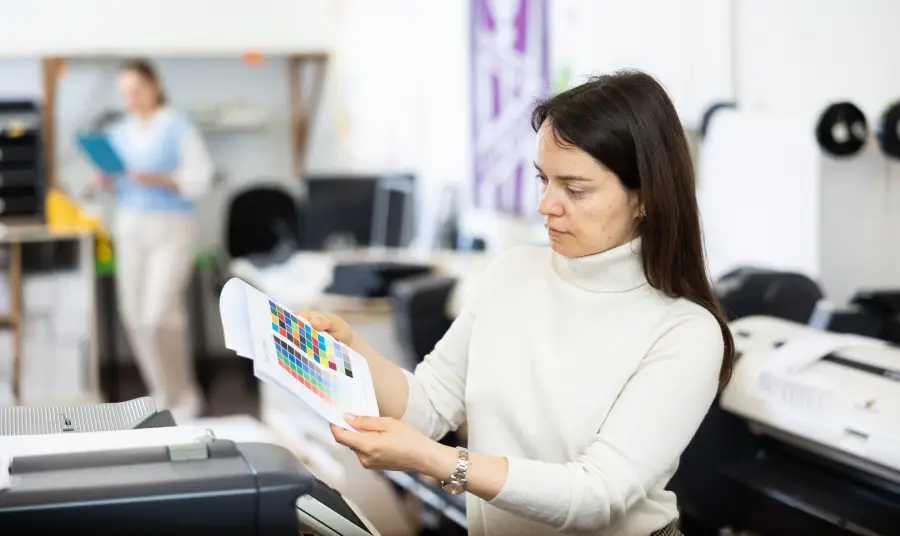
The ability to replicate exact colors is one of the key strengths of digital color copying. Whether it’s a photograph or graphic design, maintaining color consistency is vital. The digital approach ensures each hue is captured accurately, providing a vibrant result that attracts attention. High precision in color matching also ensures that branding remains consistent across different mediums.
Advantages Over Traditional Printing Methods
Traditional printing methods often require extensive setup and can be expensive for smaller projects. Digital printing bypasses these issues entirely. There’s no need for plates or complex setups. Instead, files are sent directly from the computer to the printer. This reduces preparation time and costs while still delivering exceptional results.
Exploring Different Printing Materials
- Papers: Glossy, matte, textured
- Plastics: Durable options for signage
- Fabrics: Custom textiles for clothing
- Metals: Engraved signs and decorations
- Glass: Intricate designs for decor
Addressing Common Concerns About Digital Copying
While effective, digital color copying does raise some concerns among users. For instance, questions about long-term durability and fading are common. It’s important to choose high-quality inks and media to ensure longevity. Additionally, using proper storage techniques can extend the life of printed materials significantly.
Practical Tips for Ensuring Optimal Print Quality
- Select high-resolution images for clear prints.
- Use color profiles to maintain consistency.
- Choose appropriate paper types for your needs.
- Work with reputable printing services for expert guidance.
- Regularly calibrate equipment to ensure precision.
Economic Factors to Consider in Digital Printing
The cost of digital printing might vary depending on factors like material choice and volume. However, its efficiency often makes it more economical for short runs compared to traditional printing. Besides cost savings, consider potential returns on investment due to higher engagement levels achieved through superior print quality.
Making the Most Out of Modern Printing Solutions
Printability NY offers cutting-edge printing solutions designed to meet diverse business needs. Located in New York, NY, our team focuses on delivering outstanding service and quality products. Contact us at (212) 675-7800 to learn how we can assist you with your next printing project.